Dragon Ball Z: A Timeless Classic That Shaped Anime Culture Worldwide

Introduction: The Power of Dragon Ball Z
Few anime series have left as lasting a legacy as Dragon Ball Z (DBZ). First airing in 1989, DBZ quickly rose from a Japanese manga adaptation to an international pop culture icon. Its high-octane battles, unforgettable characters, and powerful themes of perseverance and growth turned it into a gateway anime for millions around the globe.
Whether you’re a longtime fan or new to the world of anime, understanding Dragon Ball Z’s cultural impact helps explain why it continues to inspire generations of fans and creators alike.
What Is Dragon Ball Z About?
Dragon Ball Z is the sequel to the original Dragon Ball series, continuing the adventures of Goku, a Saiyan warrior, as he defends Earth from powerful enemies. The series is divided into several major sagas:
- Saiyan Saga
- Frieza Saga
- Cell Saga
- Majin Buu Saga
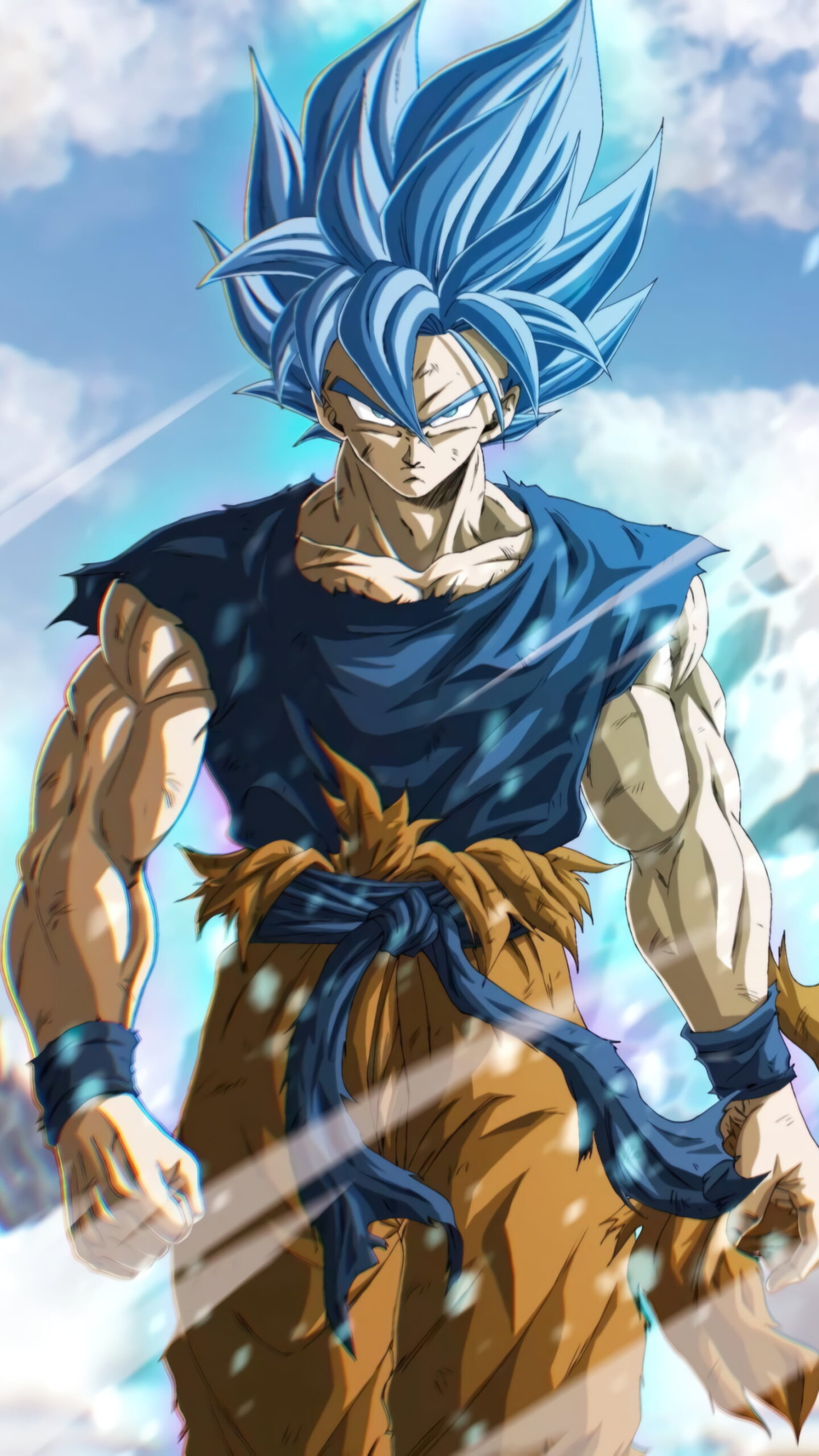
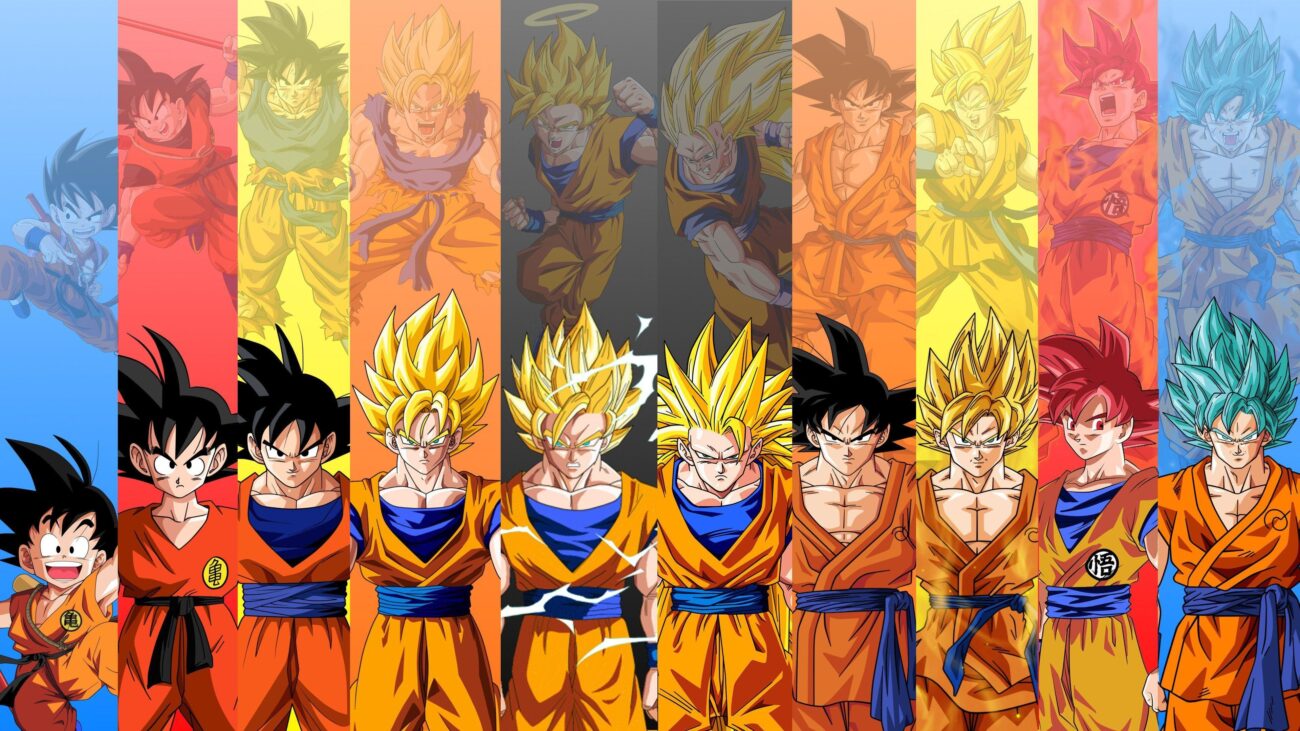
Throughout these arcs, we witness intense training sequences, epic battles, character transformations (hello, Super Saiyan!), and themes of friendship, sacrifice, and personal growth.
Why Dragon Ball Z Still Resonates
1. Timeless Themes
At its core, DBZ is about pushing past limits. Goku constantly trains to become stronger—not to dominate others, but to protect those he loves. This message of self-improvement and resilience continues to resonate with young people today.
2. Memorable Characters
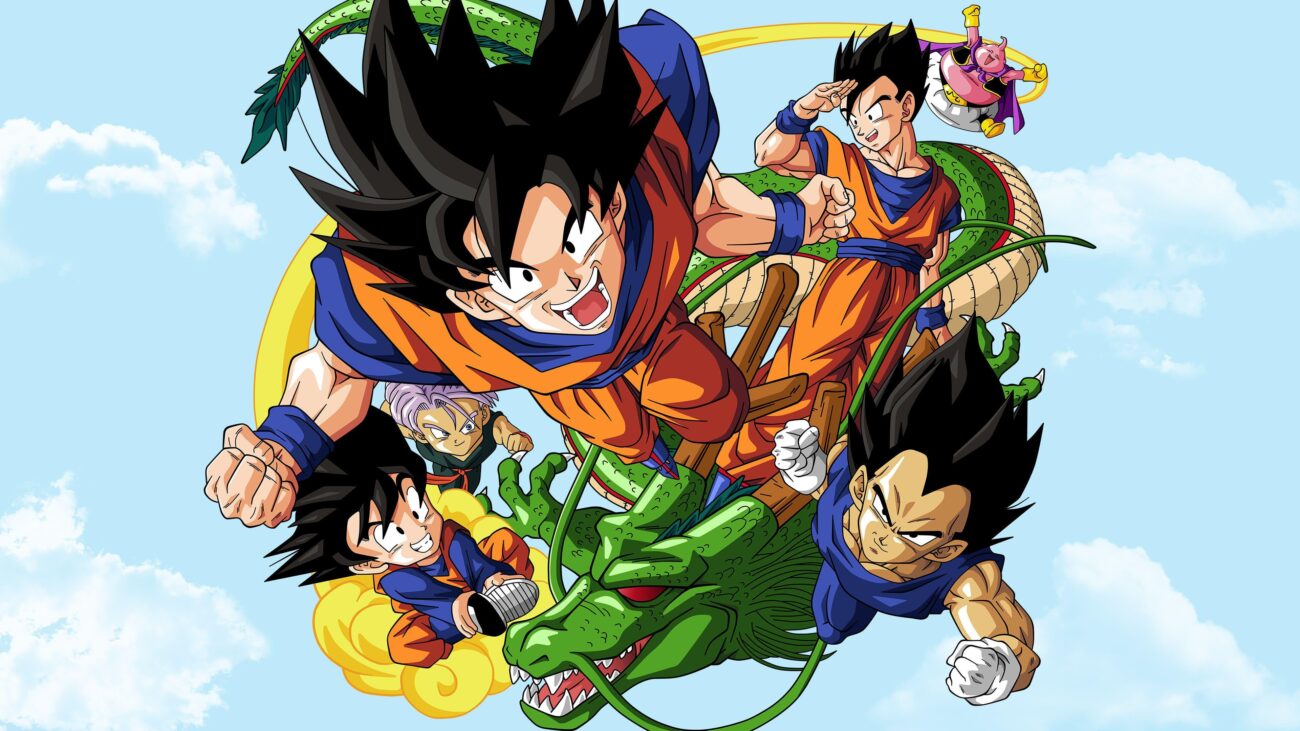
From the stoic Vegeta to the villain-turned-hero Piccolo, and the fan-favorite fusion of Gogeta, the character development in DBZ adds emotional depth to the action. Each character has a unique arc, allowing fans to connect on a personal level.
3. Iconic Fight Scenes
The battles in DBZ set a new standard for anime. Fast-paced, strategic, and often emotionally driven, fights like Goku vs. Frieza or Gohan vs. Cell are legendary in the anime world. These scenes are still referenced in modern shonen anime like My Hero Academia and Naruto.
Cultural Impact: More Than Just a TV Show
1. A Global Gateway to Anime
For many international fans, DBZ was the first anime they ever watched. In the 1990s and early 2000s, it aired on major networks like Cartoon Network’s Toonami, becoming a cultural touchstone in the West. This helped open the door for other anime to gain popularity.
2. Influencing a Generation
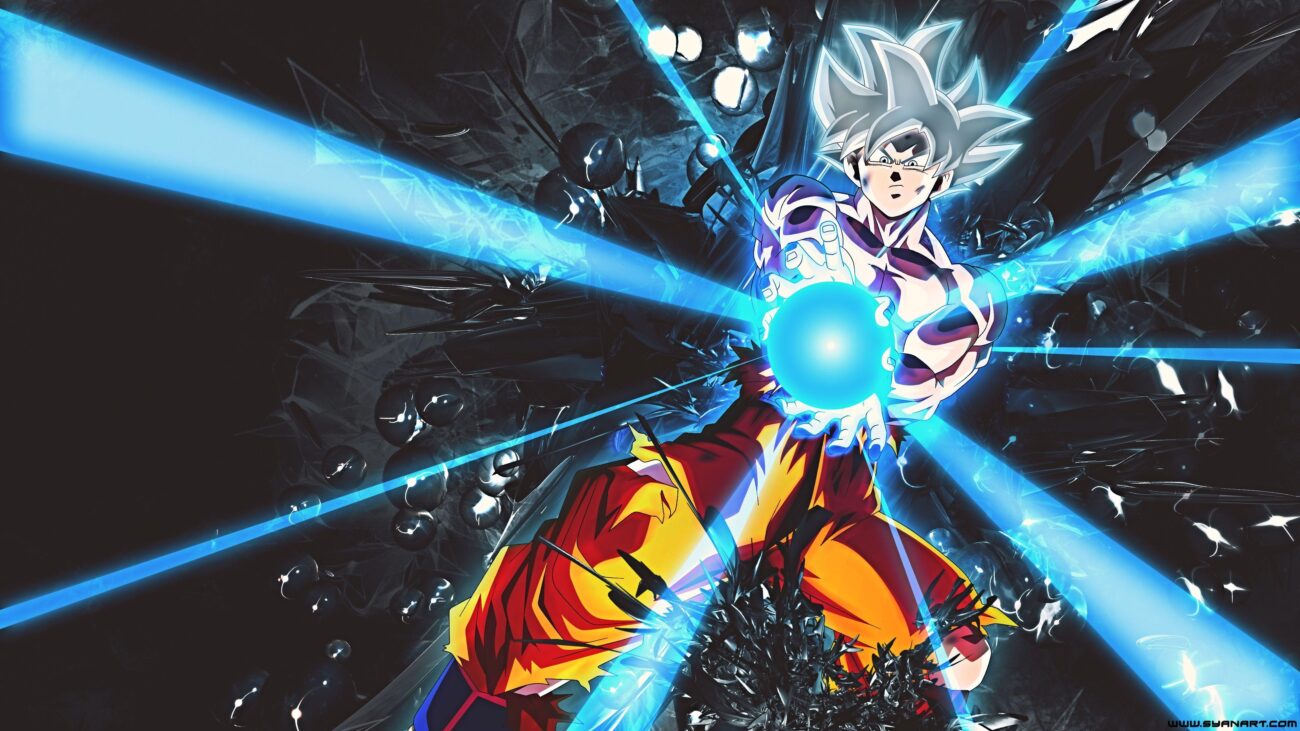
DBZ inspired countless creators, athletes, and even musicians. Celebrities like Michael B. Jordan, Logic, and Ronda Rousey have publicly expressed their love for the show. In classrooms, gyms, and social media, phrases like “Over 9000!” or “Kamehameha” are instantly recognizable.
3. Merchandise and Media Legacy
From video games and movies to action figures and cosplay, Dragon Ball Z’s influence spans across industries. Even today, merchandise from the franchise is a top-seller, and conventions regularly feature DBZ panels and cosplay competitions.
How Dragon Ball Z Shaped Modern Anime
Without DBZ, the landscape of anime would be very different. It helped define the shonen genre, emphasizing action, teamwork, and character progression. Popular anime like:

- Naruto
- One Piece
- Bleach
- Attack on Titan
…have all cited DBZ as a major influence. It created a blueprint for storytelling that blends action with emotional growth and character depth.
Final Thoughts: Dragon Ball Z’s Enduring Legacy
More than three decades later, Dragon Ball Z remains a cultural cornerstone. It’s more than just nostalgia—it’s a story of strength, heart, and the belief that anyone can rise above their limits.
Whether you’re a new viewer or a longtime fan, DBZ continues to offer valuable life lessons and thrilling entertainment. And as the Dragon Ball franchise continues with new series like Dragon Ball Super, its legacy only grows stronger.
Keywords for SEO (optional for optimization):
- Dragon Ball Z review
- Dragon Ball Z cultural impact
- influence of Dragon Ball Z on anime
- DBZ for young fans
- Dragon Ball Z legacy
- anime that changed the world
- why Dragon Ball Z is popular
- DBZ youth inspiration
- Goku and anime culture
- Super Saiyan influence
Would you like this blog turned into a formatted website layout (HTML or WordPress style)? Or should I write follow-up content, like a deeper dive into each saga or character profiles?